Lesbian
Women or non-binary people attracted to women.
Women or non-binary people attracted to women.

People attracted to the same gender.

People attracted to more than one gender.

People whose gender differs from birth sex.

Umbrella term for non-heterosexual or non-cisgender identities.

People born with reproductive anatomy matching neither typical male nor female.

People who experience little to no sexual attraction.

People romantically attracted to more than one gender.

People sexually attracted to the same gender.

People romantically attracted to the same gender.

People sexually attracted to a different gender.

People romantically attracted to a different gender.

People exploring their sexuality or gender identity.
Indigenous North American term for holding both masculine and feminine spirits.
People attracted to others regardless of gender.

People romantically attracted to others regardless of gender, where gender is not a factor.

People who identify as all genders within their life experience and cultural context.
People attracted to all genders, where gender is recognized and plays a role in the attraction.

People romantically attracted to all genders, where gender is recognized and plays a role in the attraction.

People attracted to multiple, but not necessarily all, genders.

People romantically attracted to multiple, but not necessarily all, genders.

People who desire or engage in multiple consensual, romantic, or sexual relationships simultaneously.
An umbrella term for anyone who experiences attraction to more than one gender.

People attracted to all genders except for one specific gender.

People romantically attracted to all genders except for one specific gender.

People whose gender identity changes over time.

A fluid identity where an individual shifts between feeling entirely genderless (agender) and experiencing various non-binary genders.

A fluid identity where an individual shifts specifically between three distinct genders over time.

A form of fluid gender identity that changes but never encompasses masculine or male genders.

A form of fluid gender identity that changes but never encompasses feminine or female genders.

People whose sexual orientation is fluid and changes constantly over time.

People whose romantic orientation is fluid and changes constantly over time.

People whose sexual orientation changes in direct alignment with their fluid gender identity.

People who experience a shifting sexual orientation that switches between two distinct labels over time.

People who experience a shifting romantic orientation that switches between two distinct labels over time.

People whose sexual attraction comes in sudden, intense bursts that quickly fade away completely.

People whose romantic attraction comes in sudden, intense bursts that quickly fade away completely.

People who experience two distinct gender identities, either at the same time or alternating.

People who experience three distinct gender identities, either simultaneously or shifting.

People who feel a partial, but not full, connection to a specific gender identity.
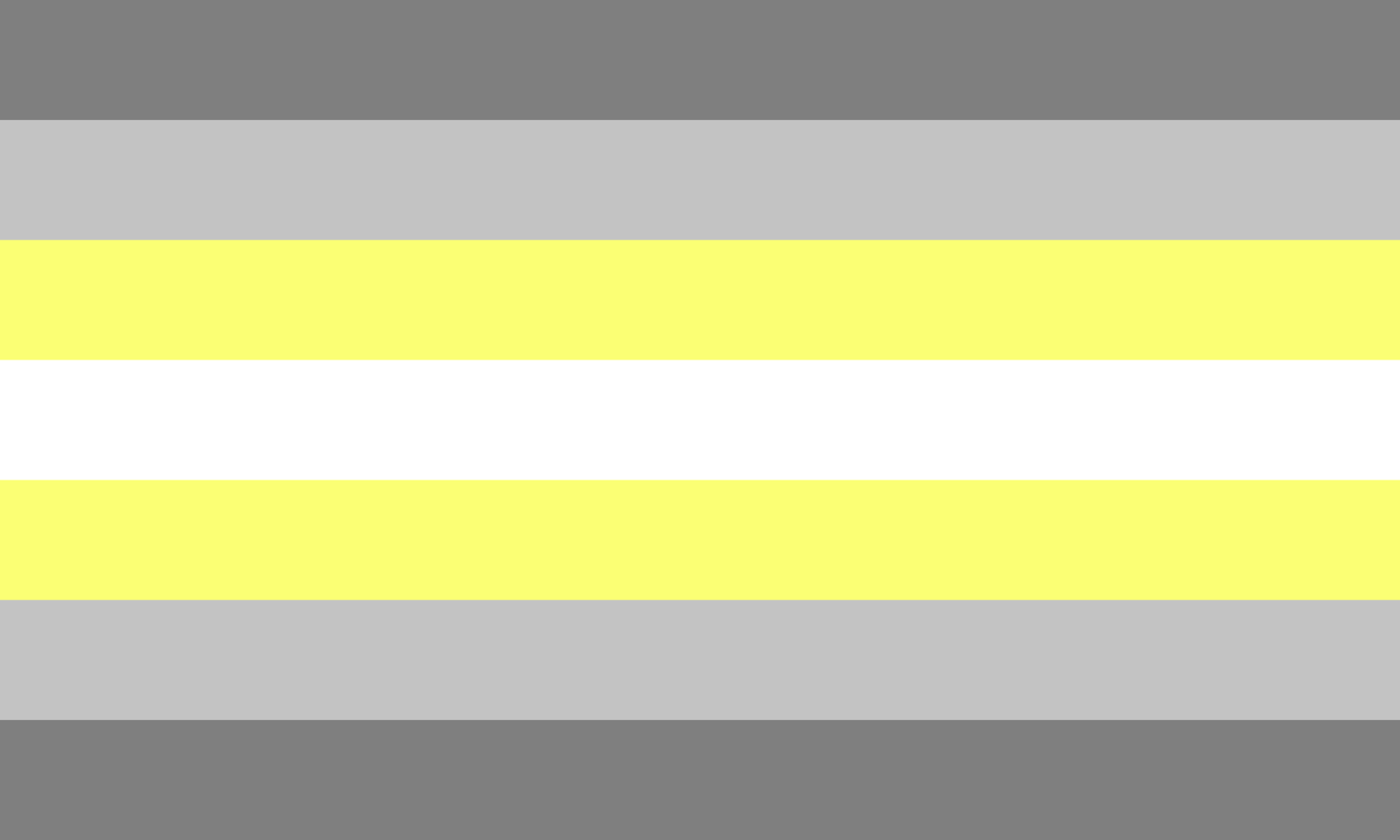
People who identify as having no gender.

A gender identity that feels like a blank, empty void, distinct from feeling neutral or having no gender (agender).

People who identify as having a completely neutral or null gender.

People who feel their gender identity is completely unimportant or irrelevant to who they are.

People who feel mostly agender but have a small, partial connection to a specific gender identity.

People who experience little to no romantic attraction.

People who identify as both aromantic and asexual, experiencing little to no romantic or sexual attraction.

People who experience regular sexual attraction to others, serving as the opposite of asexual.

People who experience regular romantic or erotic attraction to others, distinct from asexual spectrums.

People who fall between asexual and sexual, experiencing attraction rarely or only under specific conditions.

People who fall between aromantic and romantic, experiencing romantic attraction rarely or only under specific conditions..

People who only feel sexual attraction after a close bond forms.

People who only feel romantic attraction after a close bond forms.

People who experience attraction that fades once an emotional bond is formed.

People who feel sexual attraction but do not want it reciprocated.

People who only feel attraction after learning someone else is attracted to them.
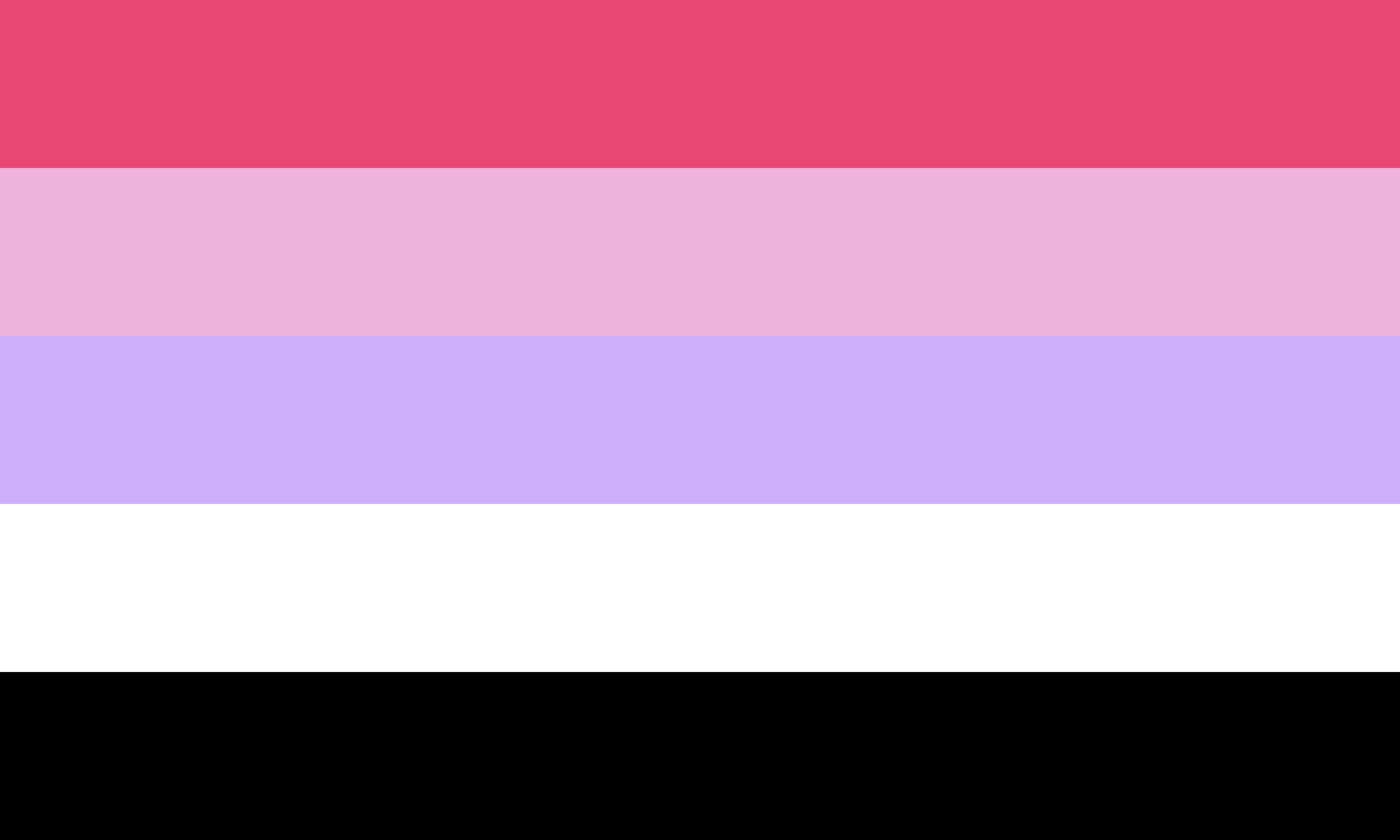
People on the asexual spectrum who do not feel sexual attraction but still desire a sexual relationship.

People on the aromantic spectrum who do not feel romantic attraction but still desire a romantic relationship.

People who feel a disconnection between themselves and a sexual target, often enjoying erotica or sexual fantasies but lacking desire to participate.

People who enjoy the concept of romance (like romance novels or movies) but do not desire a romantic relationship themselves.

People on the asexual spectrum who are strictly sex-repulsed or deeply uncomfortable with the concept of sex.

People on the aromantic spectrum who are strictly romance-repulsed or deeply uncomfortable with romantic concepts.

People who experience limited or no sexual attraction due to emotional or physical exhaustion or burnout.

People who experience limited or no romantic attraction due to emotional or physical burnout.

People who used to feel sexual attraction but no longer do, typically due to past trauma.

People who used to feel romantic attraction but no longer do, typically due to past trauma.

People who cannot distinguish between sexual attraction and other forms of attraction, or find the concept inapplicable.

People who only experience sexual attraction under highly specific, niche, or rare circumstances.

People who only experience romantic attraction under highly specific, niche, or rare circumstances.

People who only experience attraction after another distinct type of attraction (like aesthetic or intellectual) forms first.

People who only experience romantic attraction after another distinct type of attraction (like aesthetic or intellectual) forms first.

People who only experience romantic attraction toward individuals with whom they share a deep platonic friendship.

People who experience sexual attraction that feels vague, dim, foggy, or deeply obscured.

People who experience romantic attraction that feels vague, dim, foggy, or deeply obscured.

People who only experience sexual attraction to individuals they know they can never be with in real life, such as fictional characters or celebrities.

People who only experience romantic attraction to individuals they know they can never be with in real life, such as fictional characters or celebrities.

People whose sexual attraction is only triggered by looking at images, artwork, or depictions of people, rather than the physical people themselves.

People whose romantic attraction is only triggered by looking at depictions, artwork, or descriptions of individuals.

People who only experience sexual attraction after a deep spiritual or philosophical connection is established first.

People who only experience romantic attraction after a deep spiritual or philosophical connection is established first.

People who reject sexual orientation labels or feel that existing labels cannot accurately describe them.

People who experience deep platonic attraction that mimics the intensity of romantic attraction.

People attracted to femininity, regardless of the person's gender identity or birth sex.

People attracted to femininity or feminine-presenting individuals, regardless of their actual gender identity.

People romantically attracted to femininity or feminine-presenting individuals, regardless of their actual gender identity.

People attracted to masculinity or masculine-presenting individuals, regardless of their actual gender identity.

People romantically attracted to masculinity or masculine-presenting individuals, regardless of their actual gender identity.

People attracted to non-binary-presenting individuals, regardless of their actual gender identity.

People romantically attracted to non-binary-presenting individuals, regardless of their actual gender identity.

People attracted exclusively to non-binary and genderqueer individuals.

People attracted primarily to transgender, non-binary, or gender-variant individuals.

People whose gender is not exclusively man or woman.
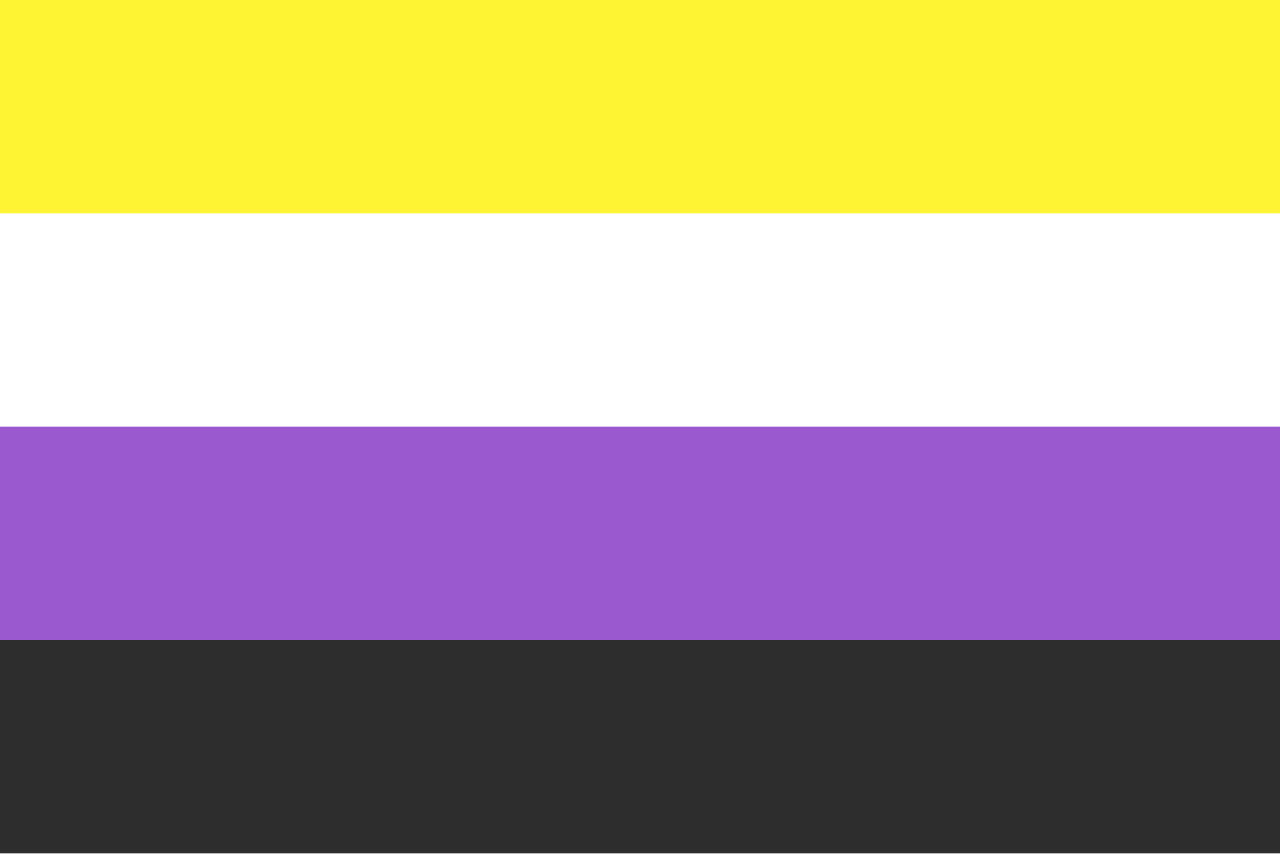
People whose gender identity falls outside traditional societal norms.

People who experience a distinct, non-binary gender identity completely separate from male, female, or neutrality.

A non-binary gender identity that is defined as having a strong, specific gender feeling that is entirely separate from male or female.

A non-binary gender identity that feels deeply connected to masculinity but is completely distinct from being a man.

A non-binary gender identity that feels deeply connected to femininity but is completely distinct from being a woman.

People whose gender identity changes depending on which friend they are currently with.
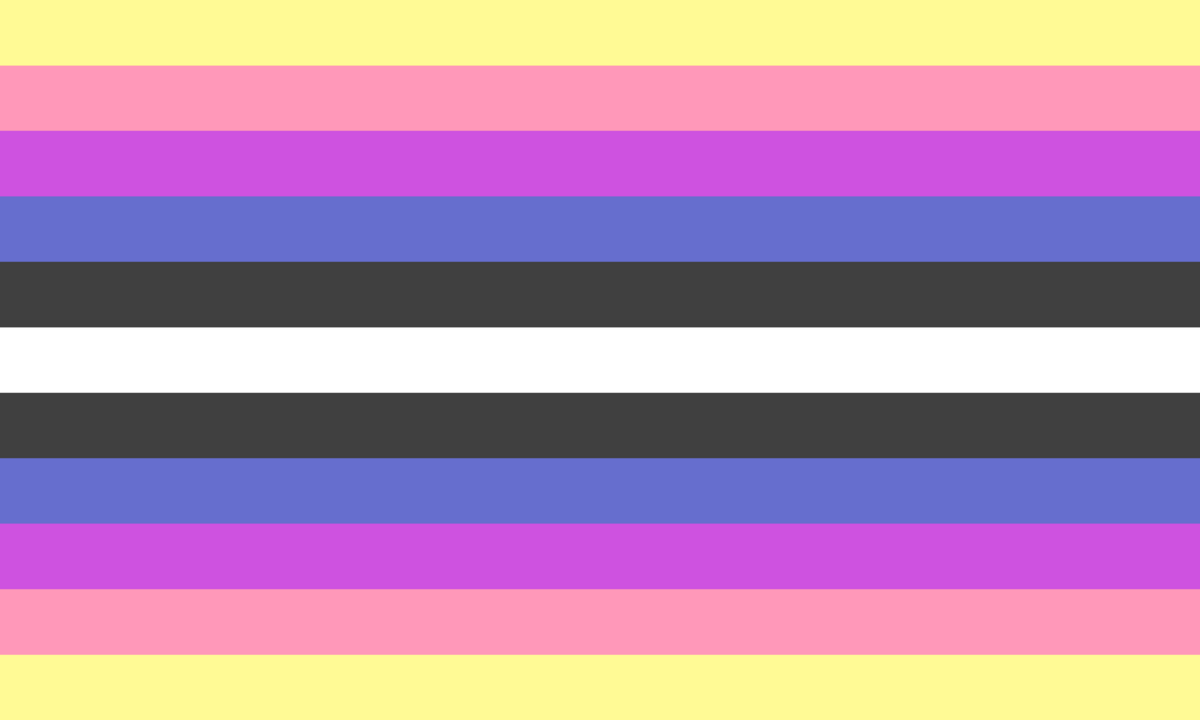
An umbrella term for gender identities that cannot be defined by traditional human gender concepts, often related to animals, plants, or abstract concepts.
